
Bad Bunny, Boricua Nostalgia, and Growing Up in the Diaspora
Bad Bunny’s ‘Nueva Yol’ Took Me Back to the Diaspora of My Childhood
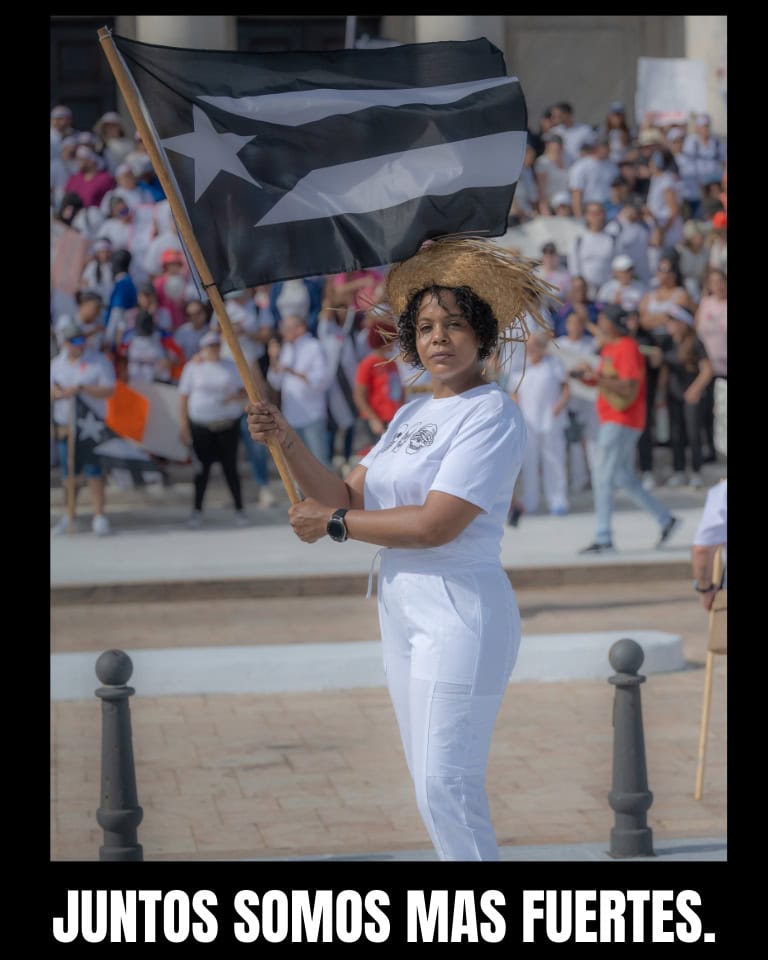
When I watched Bad Bunny’s latest music video, Nueva Yol, with my daughter, it wasn’t just a family moment—it became a time machine. For Boricuas like me who grew up in the diaspora, the video is more than art; it’s memory, resistance, and pride.
Puerto Rican Diaspora Experience in Full Color
The puerto rican diaspora experience is layered—formed by culture, migration, nostalgia, and ongoing colonial tension. Watching Nueva Yol brought me back to the early 1980s, when I was a child living in Connecticut, caught between two worlds: one I was born into and one I was learning to navigate.
Visually, Nueva Yol mimics the analog look of the era, shot in a nostalgic 4:3 aspect ratio with grainy textures and muted tones. It feels like watching an old VHS from Abuela’s living room, instantly immersing us in the 70s and 80s Boricua experience in Nueva York.
From basement weddings to community church halls, I saw the echoes of my family’s past in every frame. It reminded me of the night before my younger brother was born—at Tío Carmelo’s wedding, deep in the diaspora, surrounded by love, salsa, and faith.
Why This Video Matters More Than You Think
- It visually documents the 70s–80's Boricua experience in New York.
- It honors those who laid the foundation for our cultural presence in the U.S.
- It subtly critiques colonial status through symbolism (like the Puerto Rican flag draped over Lady Liberty).
Benito could’ve easily dropped this video on the Puerto Rican Day Parade—but didn’t. That’s intentional. He gave space for the community to celebrate and then amplified our voice afterward. That’s respect.
A Tribute to Tito Kayak: Visual Resistance on Lady Liberty
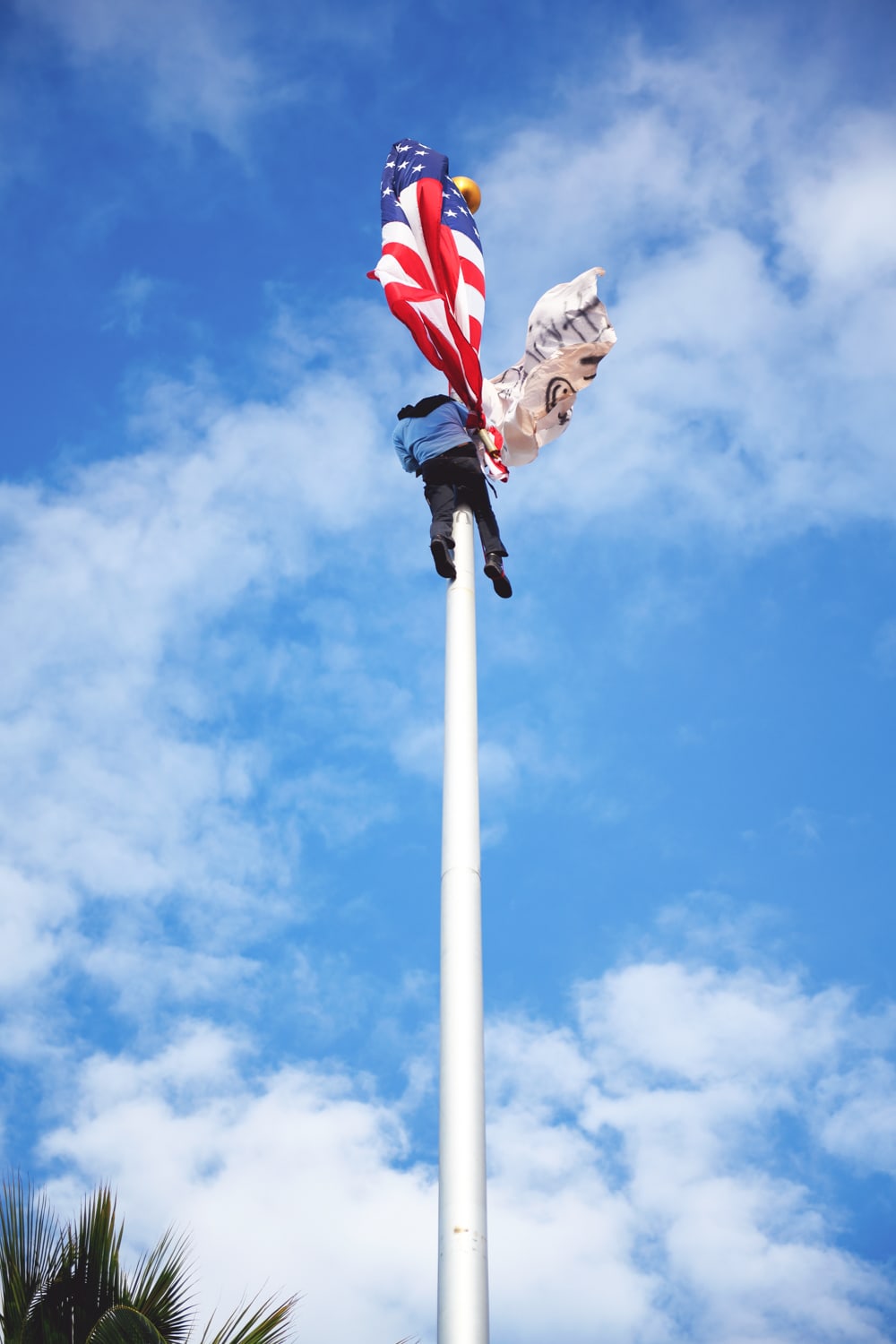
One of the most powerful moments in Nueva Yol is the scene where the Puerto Rican flag is draped over the crown of the Statue of Liberty. This isn’t just a striking visual—it’s a nod to real-life activism and to someone I deeply admire and call a friend.
Puerto Rican activist Tito Kayak (Alberto de Jesús Mercado) made global headlines in 2000 when he scaled the Statue of Liberty and raised the Puerto Rican flag, calling out U.S. colonial control over the island. His act of protest became a modern-day symbol of resistance and pride for many of us in the diaspora.
I’ve had the honor of working alongside Tito—from collaborating on Playas pa’l Pueblo to calling him during emergencies when I needed help from an electrician. Beyond the headlines, Tito is a humble, fearless, and committed Boricua who has shown up for his people time and again.
Bad Bunny’s visual homage to Tito in Nueva Yol is no accident. It bridges generations of resistance—honoring those who put their bodies and reputations on the line for our freedom. Through that brief but powerful image, Benito connects art with memory, activism, and love for Puerto Rico.
You can read more about Tito Kayak’s 2000 protest in this archived New York Times article.
Connecting the Dots: From Nueva Yol to Puerto Rico’s Colonial Reality
“How can the masses celebrate Independence when they can't even understand the importance of Puerto Rico's independence?”
In past posts like Colonial Sickness and Happy Self Determination Day USA, I’ve spoken openly about how being a colony shapes our mindset. The puerto rican diaspora experience doesn’t exist without that colonial context.
We’ve been handed off—from Spain to the U.S.—like a trophy of war. We’ve fought in wars we didn’t vote for, and still have to justify our existence. Watching Benito flip the script using visuals that depict hardship, pride, and identity makes this more than a music video—it becomes protest art.

Why This Resonates Across Generations
Bad Bunny’s “Nueva Yol” is for:
- Those who danced at basement parties while dreaming of the Island.
- First-gen Boricuas who felt “ni de aquí, ni de allá.”
- Second-gen kids raised on plátanos and breakbeats.
- Activists pushing back against erasure and colonial amnesia.
It’s the same pride that moved our parents and abuelos to preserve the language, the food, and the resilience—against all odds.
Watch the Video. Feel the Weight. Join the Conversation.
If you haven’t yet, watch Nueva Yol now. Let it transport you. Let it remind you. And most importantly, let it push you to reflect on where we come from—and where we’re going.
As I’ve said before, I don’t celebrate the 4th of July. I celebrate the unity and strength of our people. Today and every day, I honor those who came before us—and those still fighting for a free Puerto Rico.